


So, what does this mean for you? The Bank of England's inflation target is 2%, so at first glance you might think "great!". Obviously this rise is a result of leaving the EU, the crash of the pound etcetera (despite the ONS saying there is no explicit evidence - you don't see rises like this for no reason).Rising prices for clothes, hotel rooms and petrol have led to the highest rate of inflation in nearly two years, official figures show.
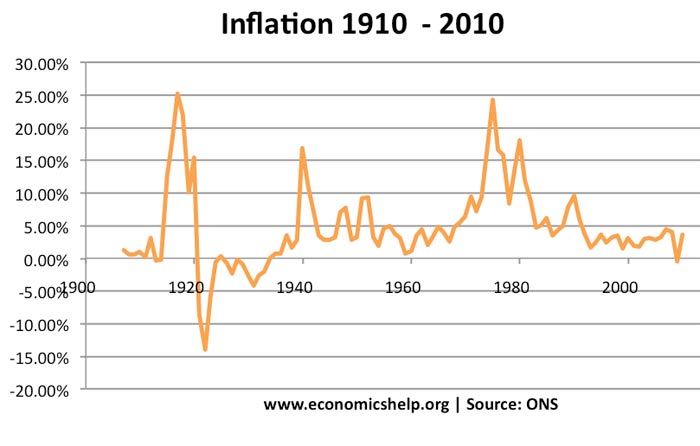
Inflation rose to 1.0% in September, up from 0.6% in August, the Office for National Statistics (ONS) said.
Clothing saw its biggest price rise since 2010 and fuel, which was falling a year ago, was also more expensive.
However, the ONS said there was "no explicit evidence" the weaker pound was the reason for higher prices.
Now, ironically, many of those who voted to leave the EU are older people and also the poorer working person. Who does inflation hit most? That's right, older people (eg. pensioners) and the poorer working man. Ultimately, small price increases don't affect me - I don't notice if my weekly shop goes up by a few pounds. However - those with very limited disposable income will feel inflation, particularly when unions have far less power than they used to so significant pay increases simply don't happen anymore.
The negative consequences seen over the past few months (even if they are 'short term' like so many people claim), are going to hit the poorer man first. Inflation is also terrible news for those of us with £45,000 student loans, as the interest you pay is directly related to the RPI (currently 2% - a small increase on the month before).
Of course, many are big supporters of inflation, and it can indeed be good - as long as wages are rising at a similar rate. If not, you'll simply end up with higher costs, and therefore less money for almost everyone.
Thoughts?



Results 1 to 6 of 6
Thread: Inflation grows to 1%
-
 Inflation grows to 1%
-
19-10-2016, 10:03 AM #2

- Join Date
- Feb 2006
- Posts
- 24,817
- Tokens
- 63,679
- Habbo
- FlyingJesus
I thought it was generally accepted by economists and those in the know that our current/previous inflation rates have been kept lower than they should realistically have been for a long long time now, meaning changes like this are an absolute certainty in order to show what the market situation really is
-
19-10-2016, 12:09 PM #3

 Habbox Hall of Fame Inductee Former Rare Values ManagerHabboxForum Top Poster


- Join Date
- Jan 2006
- Location
- Jerez, the Kingdom of Spain
- Country

- Posts
- 29,945
- Tokens
- 4,427
- Habbo
- -:overtaker:-
This. Originally Posted by FlyingJesus

And anyway, oooh a 0.4% rise in inflation. Scary. Unprecedented! ....not.
Last edited by -:Undertaker:-; 19-10-2016 at 12:14 PM.


-
And the predictions of where it is going? Soon to go beyond 2%. Originally Posted by -:Undertaker:-
---
In response to both posts, my point is referring to the common man. The man who doesn't get a nice annual bonus, the man who gets pathetic pay increases.
Inflation will lower their standard of living.
- - - Updated - - -
Also... 0.4% rise in a month...
-
19-10-2016, 12:21 PM #5
Habbox Hall of Fame Inductee Former Rare Values ManagerHabboxForum Top Poster
- Join Date
- Jan 2006
- Location
- Jerez, the Kingdom of Spain
- Country
- Posts
- 29,945
- Tokens
- 4,427
- Habbo
- -:overtaker:-
Who knows? I'm not in the business of making up scary predictions like the Remain camp. Originally Posted by AgnesIO
Indeed. That's surely an argument for introducing work permits on EU migrants pretty soon so wages are forced to rise. Originally Posted by AgnesIO

-
Moral high ground by someone who supported the "350m a week to the NHS" team? Incredible. Originally Posted by -:Undertaker:-
It wouldn't force wages to rise. Wages would only rise if it reached the stage where labour doesn't equal the demand... and having EU permits isn't going to change that.


 Reply With Quote


 Posting Permissions
- You may not post new threads
- You may not post replies
- You may not post attachments
- You may not edit your posts