


Ok now you're just talking ****, there's no way to handle every connection in the world at once, and the root nameservers don't handle normal user requests anyway :rolleyes:Originally Posted by Mentor

They've almost been taken down by a large botnet in the asia-pacific region.
Results 41 to 50 of 58
Thread: Twitter & Facebook PROBLEMS LOL
-

visit my internet web site on the internet
http://dong.engineer/
it is just videos by bill wurtz videos you have been warned
-
I don't see two of the servers suffering badly as them all being almost taken down? Originally Posted by Jewish Bear
-
Far too boring, the US love wasting their money and being more and more in debt, not to mention killing loads of harmless people who have the misfortune to be within a mile of the building where these "attackers" are Originally Posted by Voiding

As Jordy pointed out, the attacks would be coming from computers scattered all over the place. I'd be concerned if the US actually bombed every country in the hopes of finding these places, let alone the US going to war with another country just by bombing.
But that is of course, if the wikipedia article is correct
-
Uh I meant a few, sorry. Not been awake all that long Originally Posted by N!ck

visit my internet web site on the internet
http://dong.engineer/
it is just videos by bill wurtz videos you have been warned
-
I never claimed it would? All they do is resolve tld o.0 Once thats done, the root servers arnt involved in any more of the connection? Originally Posted by Jewish Bear
Hence handling dns for every request from pc's all over the world aint as huge a job as it sounds, there are billions of pc's yes, but it takes a minute amount of processing for each one and the root servers are pretty danm powerful machines.
They aint exactly going to be involved in streaming you media, serving you webapges or anything else o.0


-
They resolve TLDs for the ISP's nameserver if it needs caching, then it's always taken from the ISP's cached copy. I'm pretty certain users never query root nameservers ever, it's all done through the ISP nameserver. Originally Posted by Mentor
And yes you did claim (or imply) it would
They're not designed for that at all, and they're not that powerful, they have a lot of mirrors though.The root servers of the internet are pretty safe i imagine, since there designed with the capasity to handle more aless every pc with an internet connection at once anyway
visit my internet web site on the internet
http://dong.engineer/
it is just videos by bill wurtz videos you have been warned
-
For simplicity: Originally Posted by Jewish Bear
http://en.wikipedia.org/wiki/Root_nameserver
A root name server is a name server for the Domain Name System's root zone. It directly answers requests for records in the root zone and answers other requests returning a list of the designated authoritative name servers for the appropriate top-level domain (TLD). The root name servers are a critical part of the Internet because they are the first step in translating (resolving) human readable host names into IP addresses that are used in communication between Internet hosts.
-
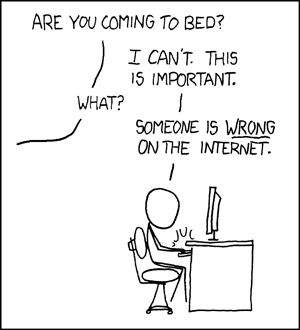
I find it funny how a Twitter and Facebook help thread turned into an argument about root nameservers.
:8 Originally Posted by Chippiewill
-
Lol. True. I think this xkcd may start to explain the phenomena: Originally Posted by Mr.Android
-
Yes, they don't handle user requests, they handle ISP server requests, the ISP server then caches them and user requests are served from the ISP nameservers. If they were taken directly from the root dns servers, everyone would see updates in real time as they happened and nothing would be cached. Why do you think it takes up to 24 hours for a domain ns change to propagate on the internet? Originally Posted by Mentor
Caching. That's why.
visit my internet web site on the internet
http://dong.engineer/
it is just videos by bill wurtz videos you have been warned

 Reply With Quote








 Posting Permissions
- You may not post new threads
- You may not post replies
- You may not post attachments
- You may not edit your posts